
Hearing Protection for Construction Workers
One of the most common causes of acquired hearing loss is prolonged exposure to excessive noise. According to the National Institute for Occupational Safety and Health (NIOSH), more than half of all construction workers have been exposed to noise that is considered hazardous. Due to this fact, it should come as no surprise that construction workers are prone to having some degree of hearing loss. According to one particular study, those working in construction had the second highest rates of hearing impairment.
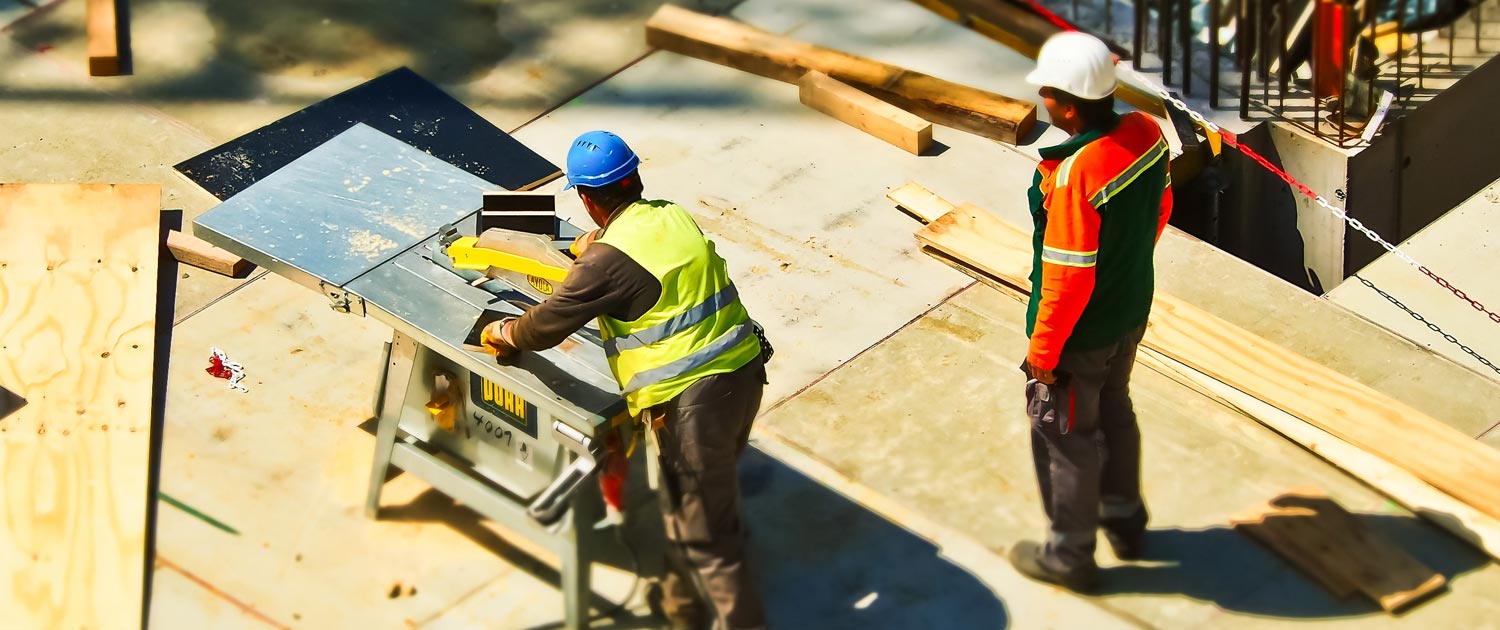
Common Noises on Construction Sites
Construction workers are exposed to a variety of hazardous noises that are not typically found in other industries. Because noise on construction sites is varied and always changing, it can be difficult to control the noise levels. Some of the most hazardous noises on a construction site include:
• Jackhammers
• Cement mixers
• Electric saws
• Welding machines
• Sledgehammers
According to the Occupational Safety and Health Administration (OSHA), a permissible noise level of 90 dBA is permitted for workers during an 8-hour day. Workers should only be exposed to noise levels of 100 dBA for only two hours during the day. Considering the fact that the noise level of a jackhammer is 130 dBA, this level of noise is not considered safe for any amount of time. Other power tools used in construction can be as high as 115 dBA. Noise levels for heavy construction equipment range between 80 to 120 dBA.
It’s easy to see that when construction workers are exposed to these kinds of noise levels, why they would suffer hearing loss.
Hearing Loss is Permanent
Anytime hearing loss occurs after birth it is called acquired hearing loss. In some instances, when a person is subjected to loud noises, their hearing loss is only temporary. Some people also experience tinnitus, or ringing in the ears, after exposure to loud noises. However, for people like construction workers who are exposed to excessive noise for prolonged periods of time, hearing loss is often permanent. This means that nothing can reverse the damage that has been caused.
When hearing loss occurs, it is gone forever. This permanent hearing loss may occur in one ear or both. Once the hearing has been permanently impaired, the only way to get it back is by wearing hearing aids. If you are a construction worker and want to prevent injury to your hearing on the construction site, you’ll need to educate yourself on how to prevent hearing loss.
Reasons Construction Workers Don’t Wear Hearing Protection
Construction workers who do not want to suffer from permanent hearing loss can do some things to prevent it. One of the simplest ways to protect the ears is by wearing hearing protection. Despite this fact, only 31% of construction workers that are exposed to loud noises wear any type of hearing protection.
Some reasons construction workers give for not wearing hearing protection include:
• Hearing protectors are too uncomfortable
• Hearing protectors are too hot
• Workers are not trained properly to wear hearing protection devices
• Workers do not have access to hearing protection devices
• Workers are not aware they need hearing protection
• Hearing protectors create situations where they can’t hear other workers
In some of these instances, the employer is responsible for making sure all of their workers have the proper training and access to hearing protection. In other instances, it is up to the construction worker whether they choose to wear hearing protectors.
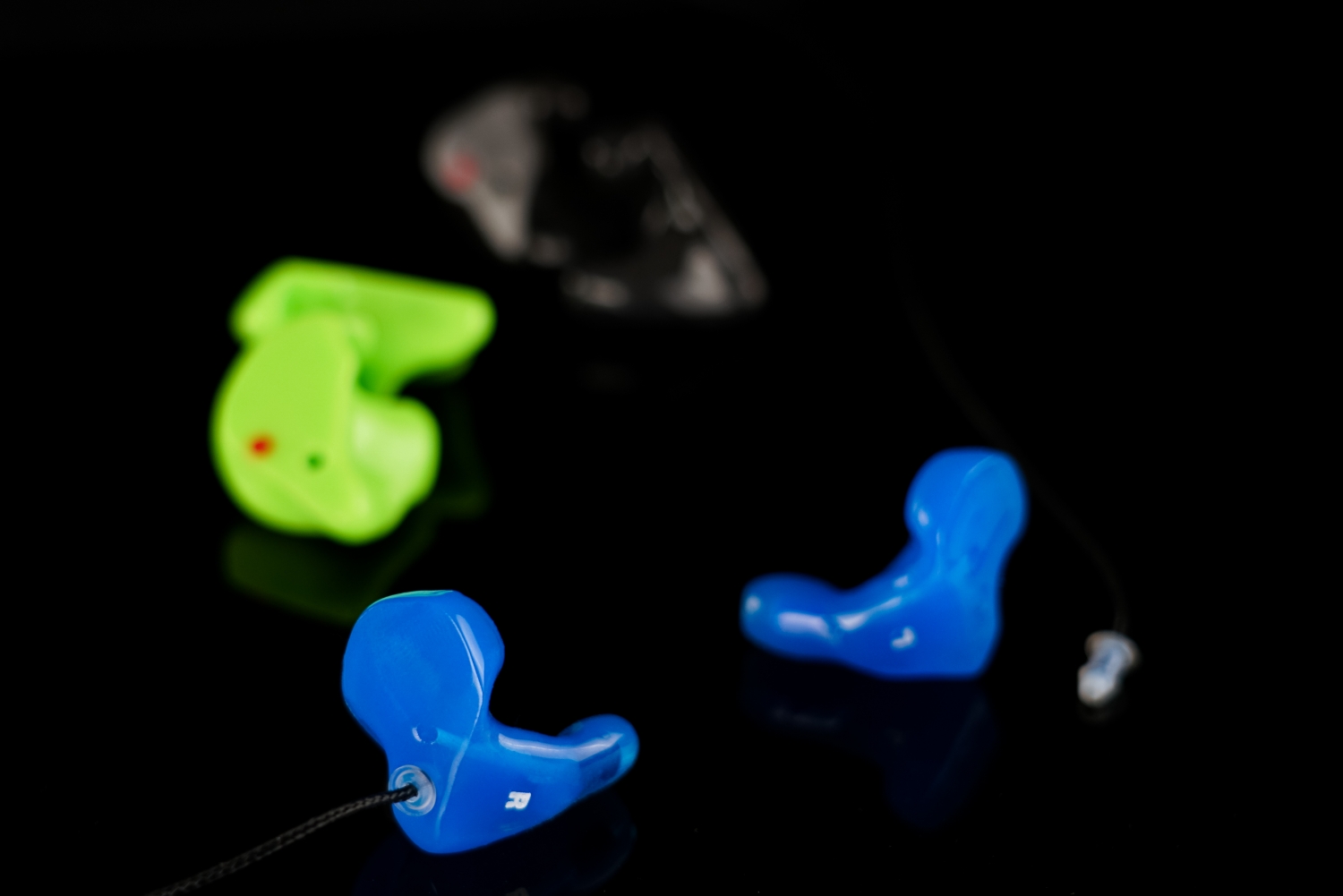
Every industrial product we offer will allow you to solve any hearing conservation problem you have.
The Best Earplugs for Preventing Hearing Loss
There are many types of hearing protectors on the market. Some of the most common ones include wax balls, earmuffs, and noise-canceling headphones. There are also different types of earplugs including ones made out of foam and ones made from silicon. Universal earplugs are the most popular.
Earplugs work by protecting the ear canal. In order to be effective, the earplug must block the ear canal with an airtight seal. For this reason, it’s important for those wearing earplugs to insert them correctly. It’s not recommended to simply stuff the earplug into the ear. The correct method involves pulling the top of the ear up and back. This helps to straighten out the ear canal. The earplug can then be inserted into the ear canal. After the earplug is inserted, it’s necessary to hold it until it expands into the ear canal. When the voice of the wearer sounds muffled, it means there is an airtight seal.
Despite the fact that most earplugs offer an airtight seal, these types of earplugs are only recommended for short-term use. For construction workers who need hearing protection for many hours a day, the best type of hearing protection is custom-made industrial earplugs. Custom-made earplugs are called otoplastics. Because they are custom-made, this type of earplug fits the wearer perfectly. Besides fitting perfectly and offering superior hearing protection, another advantage of customized earplugs is that they last for many years.
In order to make this type of earplug, an ear impression is taken of the outer ear and the ear canal for the person who will be wearing the earplug. This enables the earplug to take the shape of the wearer’s ear. Besides offering a perfect fit, these custom-made earplugs can be worn under a hardhat and other protective equipment, which makes them perfect for construction workers.
Construction sites are some of the loudest locations in the world. For this reason, it’s absolutely imperative for construction workers to take care of their hearing. If they don’t start now, they could permanently lose their hearing. Finding the right hearing protection is crucial for hearing protection. Wearing custom-made industrial earplugs is the best thing construction workers can do for their hearing.
Clarity Aloft Adapters: An Innovation
Despite the production of numerous varieties of communication devices, choices for comfortable earpieces are actually infrequent. More often than not, one-size-fits-all products dominate the market. For instance, if you perform a simple Google search on the best aviation headsets, you will most probably find sponsored websites promoting mainstream generic-fitting products from Amazon. There is not enough room for specialty items such as those that are custom-made. What’s worse is that generic products can even cost from a hundred to a thousand dollars! While this may be acceptable for the occasional flyer or his guest passengers, this should not be the standard especially for professionals who travel frequently for extended periods of time. Factors such as accumulation of sweat, chafing of ears, poor microphone and audio response are important in reconsidering customized earpieces.
Common considerations
There are many reasons why people still choose generic-fitting earpieces in spite of all the benefits of having them customized. One reason is that custom-made products are often more pricey than mass-produced ones. Another is that companies that offer custom goods are quite limited and hard to find. While these are all valid considerations, as a consumer, you must also weigh the pros and cons of having your gear customized. Think about it. The cumulative costs of having a generic headset and replacing it every so often due to low quality can amount to the price of a good custom-made one that can actually last for years.

Changing for the better
At Big Ear, we offer only the best custom-made products for our customers. Our latest innovation for aviation hearing protection is the Clarity Aloft Adapters (see video). Designed to fit effortlessly under a helmet, these can help pilots and operators listen better to audio and communicate comfortably. These can be easily attached to the speakers of your current headset so that earpieces fit inside your ear canals better.
Each set of Clarity Aloft Adapters is handmade. The manufacturing process begins with having an impression of your ears taken by our technician. This is made of silicone which hardens to take the shape of your ear canal. The molds are then sent to our laboratories where the custom adapters are created in four week’s time. Finally, the finished adapters are delivered in front of your doorstep, ready to be used for your aviation activities.
It is quite frustrating to see people spend hundreds or even thousands of dollars on a headset that has probably two-cent generic foam tips. Definitely, it defeats the purpose of having something that is supposed to be of high quality. Imagine a company spending millions to assemble top of the line planes then deciding to cut the budget for seating materials. In the case of aviation, you should not settle for less because communication is crucial for the safety and success of operations. Whether you are in the aircraft or control tower, communication is a top priority.
Points to Ponder
Perhaps owning a customized set of adapters for a headset may not be for everyone. At Big Ear, we completely understand that. However, what we offer is the option to experience something better and more comfortable. Think about the advantages and disadvantages. Find out what kind of lifestyle you really want. You can also research more and visit stores to scout for other products. But do remember to consider Clarity Aloft Adapters. If you decide to own one, we guarantee that you will never regret it.
For more information, visit our adapters page.
Main Office
407 Golden Eagle Dr. Blythewood,
SC 29016. USA
SC 29016. USA
(719) 271-908one

Office Hours
Every day 10:00 – 7:00 EST