Integration of Dentistry and the One, a Guarantee to Tinnitus and Hearing Loss Prevention
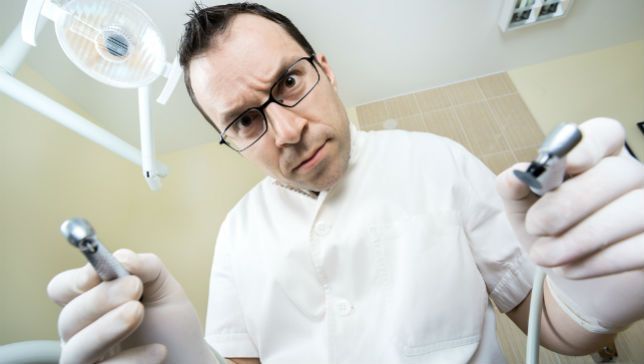
Over the course of the years, dentists have been on the receiving end of Tinnitus and hearing loss consequences emanating from their own practice. Apart from minor hand injuries and torn muscles operating on teeth, they experience continuous exposure to noise pollution. The sources of the noise they experience originate from the tools they use and from the natural environment. Some of the tools they use such as the handpieces generate too much noise which when the ear is exposed to for a long time, the dentist risks hearing loss. From the natural environment, the ear picks noise from the cries by the clients or from the people in the room during surgery. Without dentists, some of our toothache problems may lack an amicable solution, tooth alignment may stall and tooth removal cease. If the dentists are such a blessing to us, why do they go down the victims of tinnitus and hearing loss?
The One dental earplug
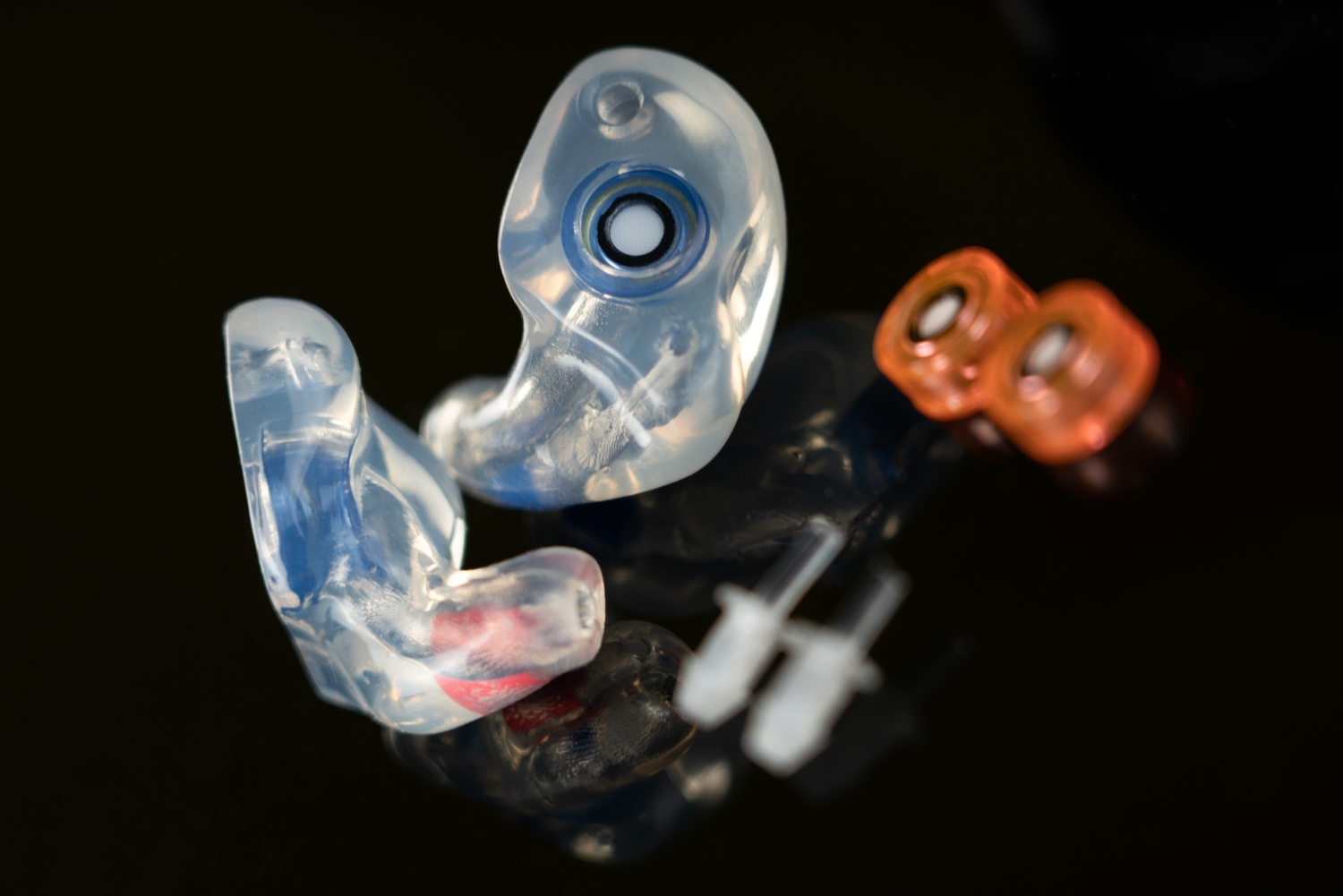
The One is a customized earplug specifically designed for the dentists. These earplugs prevent exposure of the ear to excessive noise from both the machines and the natural environment during operations. The One functions with two filters. There is the primary filter on the outside and the secondary filter in the inside. The primary filter filters general noise from the environment and machines. The secondary filter filters the unwanted noise before it reaches the eardrum.

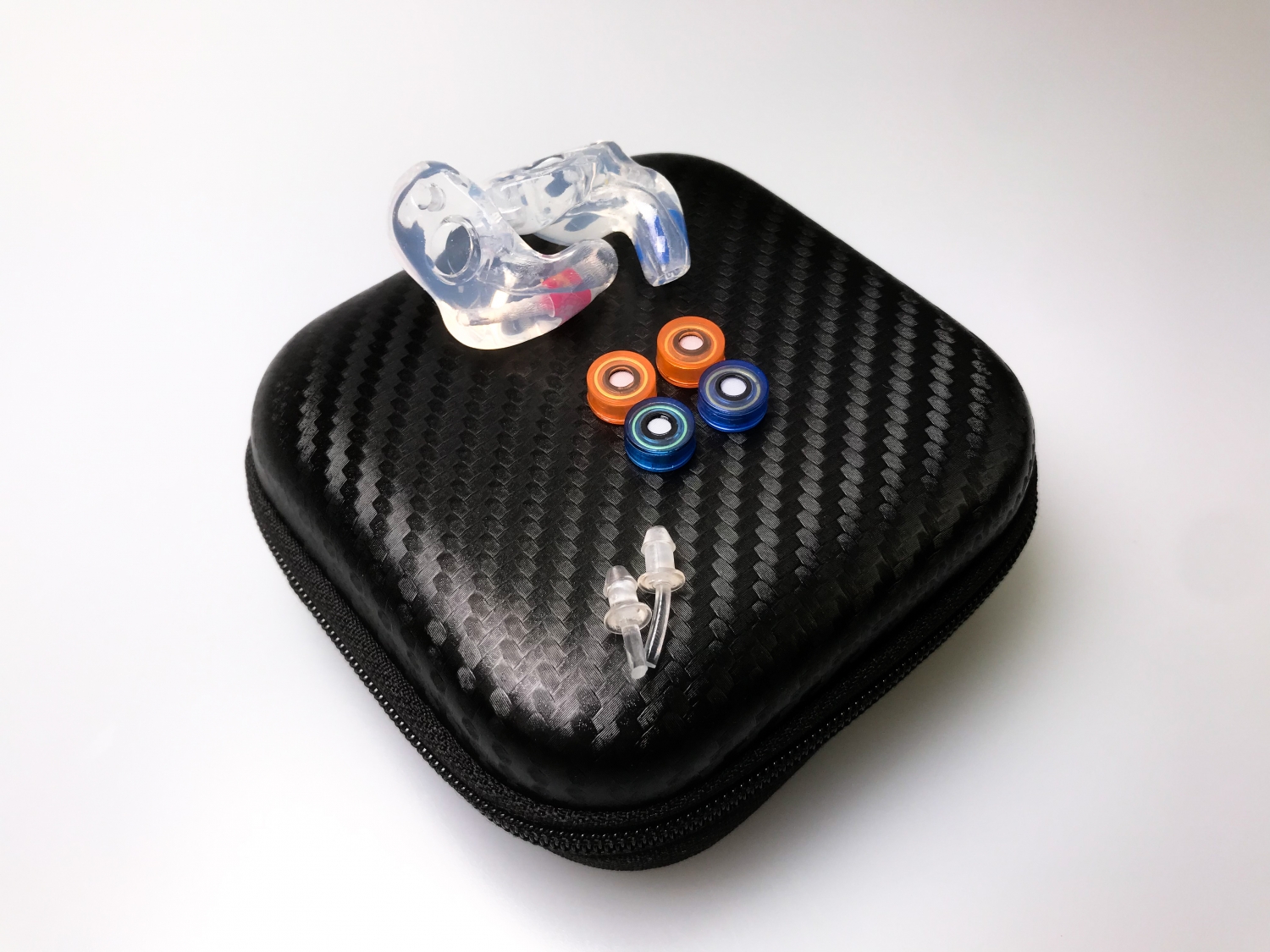
The One Premium Series, With all the bells and whistles. Included are 4 sets of filters, one set of filter blocks, one tactical piece, and the filtered earplugs.
Importance of using the One dental earplug
The major difference between the big Ears’ the One dental earplug is that it allows for a certain limit of noise exposure. The two filters work simultaneously thereby controlling the type of noise that ends up in the inner ear. From the outside of the ear, the primary filter regulates the amount of noise entering the earplug from both the natural environment and the dental surgery equipment. Unlike other earplugs with a single filter, the One dental earplug has two to filters which collectively work together to regulate the amount of noise entering the inner ear.
On the second filter, the One dental earplug has the secondary filter installed. The secondary filter ensures only the natural voices access the inner ear. Additionally, it only allows up to 85dB. This implies that only the allowed noise pressure can penetrate the earplug. As for the One dental earplug, the allowed noise include natural sounds such as of the patient and the surgery crew. This earplug bars other types of noises from reaching the inner ear.
In addition, the dental earplug regulates the intensity of the noise that penetrates to the inner ear. This standardized feature does not discriminate the source of the noise. Therefore, even if the noise comes from the natural source, the secondary filter will filter it out. For instance, the earplug cancels the noise from a patient that screams exposing the eardrum of the dentist to a noise pressure exceeding 85dB. On the other hand, the earplug allows any other natural sound with pressure below 85dB into the eardrum.
Tinnitus and hearing loss, a risk associated with loud noise exposure
According to the study by the Centers for Disease Control and Prevention, at least 5 out of 10 retired dentist experience tinnitus. In the same study, they discovered that a third of the people suffering from tinnitus seek medical assistance which proves quite expensive. Two out of five people suffering from tinnitus successfully recover using this medication whilst the rest remain in the irreversible state. In cases of tinnitus irreversibility, the dentist risks permanent ear loss.
Tinnitus refers to the perception of a type of a ringing sound by a person whereas the sound is non-existent. Over the course of the years, scientists have tried explaining what really causes tinnitus and what the potential treatment may be. In as much as they cannot precisely deduct the cure for tinnitus, they relate treatment by studying the causes. They relate tinnitus and hearing loss to the related illnesses and understanding the symptoms to help ease, manage or block out the ringing-in-the-ear sensation.
How tinnitus develop
There are several factors preempted to cause tinnitus. However, the major cause is prolonged exposure to of the ear to intensive noise. This exposure leads to the inner ear cell damage. Exposing an ear to high-intensity sound causes the inner delicate hairs to move in the direction of the sound waves. This triggers the ear cells to produce an electrical signal through the auditory nerve to the brain. The signals sent to the brain translates into sound. In cases where the inner hairs in the inner ear break or bend, a random electrical signal sent to the brain cause tinnitus and hearing loss.
Tinnitus symptoms
The main symptom of tinnitus is the ability to hear imaginary sounds when there is no actual sound in the environment. Some of the phantom noises from the ear associated with tinnitus include the following:
- A ringing sound, which may become louder or lighter with time.
- A frequent buzzing sound
- A roaring sound.
- A hissing sound
These sounds may occur in one or both ears. In some cases, the noise may become so loud that it interferes with a person’s concentration. The sound may be irritating hindering a person from hearing the actual sounds in the environment.
Causes of tinnitus
- Exposure to loud noise
This is the major cause of tinnitus. Continuous exposure to loud noise increases chances of the inner hair of the ear-bending or breaking. When the hair breaks, it triggers the auditory nerve to send irregular electrical signals to the brain triggering tinnitus. The dentists while performing their tooth surgeries, they use noisy equipment such as the handpieces. Such equipment produces a large volume of noise to the ear. Continuous use of the same equipment by the same dentist without an earplug exposes them to greater danger of developing tinnitus and hearing loss.
Other causes
- Age-related causes
As a person ages, they become vulnerable to presbycusis. Such a condition occurs when a person approaches the 60th age. The person tends to wear out in terms of their hearing capability. The more a person experiences ear loss, the higher the chances of developing tinnitus.
- Earwax blockage
Earwax protects the ear canal by trapping the dirt and preventing bacterial development in the ear. However, when the earwax over accumulates in the ear canal, it may cause ear loss or irritation in the ear canal which may cause tinnitus and hearing loss.
Tinnitus causes for dentists
Several scientists have hypothesized different possible causes of tinnitus. Some relate tinnitus to head injuries, acoustic neuroma, blood vessel disorders and other medications such as antibiotics and aspirin. In all their arguments, they appreciate that the major and legit cause of tinnitus in the dentist is exposure to noise.
Following the nature of the working environment the dentists, they cannot resist exposure to noise. Over the course of their carrier, they continuously expose their ears to excessive noise from both the materials, which they use and the patients themselves. The materials in their laboratories produce a high volume of noise, which may trigger tinnitus and hearing loss when exposed for long. Other sources of noise in the office are the natural cause. Natural causes include the noise from the surgery personnel and the patients.
Complications that come with tinnitus
Tinnitus affects a person wholesomely. The quality of life of the person deteriorates differently. According to a research by the department of health and human service, one may experience the following complications alongside tinnitus and hearing loss.
a. Fatigue
People with tinnitus and hearing loss experience frequent fatigue without a proper course. Others may feel lazy in handling even the slightest of house chores.
b. Stress, which develops due to continuous worries of the condition one, is in. Continued stress develops into depression.
c. Sleeping problems
d. Concentration issues
e. Irritability especially in the inner ear.
f. Depression arises with excessive worrying of the situation one is in.
General tinnitus preventive measures
- Turn down the machine volume. Long-term exposure to loud music through headphones increases chances of developing tinnitus. For music listeners, reducing the music volume may help reduce chances of tinnitus infection. However, this preventive measure fails to apply to dentists. They cannot turn down the volume of noise produced by their machines.
- Take care of cardiovascular health as a routine. Prevention of tinnitus and hearing loss linked to blood disorders is achievable through right diets, regular exercise and taking steps aimed at ensuring one attains a clean blood vessel. This preventive measure is applicable to the dentist. However, the tinnitus in dentists is not blood-linked.
Tinnitus and Hearing loss preventive measure for dentists
Using the Big Ear’s the One dental earplugs. As stated earlier, the One dental earplug is the one stop shop for a customized earplug for dentists. At Big Ear Earplug Company, thorough research on earplugs enhances production of the right kind of earplug any dentists would desire. The company ensures a dentist is comfortable in their earplugs, they provide after-purchase services where they trace the client’s progress. Finally, the earplug has two filters, the primary and the secondary filter. The primary filter prevents noise penetration from the environment whilst the secondary ensures only the natural noise such as of the patient penetrates to the inner ear of the dentist. Using the One dental earplug is the only safe way that guarantees a person total protection from tinnitus and hearing loss.
Tinnitus – Please Don’t Go Insane
Rebecca K. Horton, RDA
Tinnitus. Tin-nie- tis. Tin nit us.
Say it any way you like but what a demon in your ear!
Would you believe that people have actually committed suicide over tinnitus the new plague? It’s true! Most people don’t suffer that badly with it, but if you do please seek immediate help with an ear, nose and throat physician and tell them the truth about how it’s making you think really bad thoughts about hurting yourself.
There is no known cure for Tinnitus but some help may be available. I personally find relief from it when I’m at my favorite spot on the Redneck Rivera down in the Gulf of Mexico. The ocean has the right sound to cancel out the high pitch, electrical whine/squeal that I have in my left ear all the time. Whenever I’m ill, of course, it’s much worse and all I can tell you is that at this point in my life I would do ANYTHING to keep it from progressing.
I am having custom ear plugs made so that the damaging noises that I’ve tolerated for years can be quieted and offer me some relief. Big Ear offers a product known as THE ONE that offers noise cancellation properties while allowing me to hear the necessary sounds of my job in a dental office. I’m hopeful that it will help with the Tinnitus as well.
I remember the medicine-related times that have helped create my Tinnitus: One, a high dose of aspirin at age 18 and two, a high dose of Iodine later in life. The Iodine also caused some dry, burning mouth issues that I thought would NEVER go away. (I’m much better thank you!)
Like most everyone else, I LOVE music and rock and roll is best served up in a bone-jarring dB. I can remember having temporary hearing issues after nights out dancing. That was kind of scary!
And the sickest I have ever been in my life was a series of illnesses inner ear infections. I lost my balance, experienced crushing pain, and endured barbaric treatment that consisted of a copper wire being stuck in my ear and having to take the world’s nastiest antibiotics – SULPHA. After I had my wisdom teeth out, I never had an inner ear infection again. I really thought I was losing my mind and my hearing during that! WHEW. Back to the subject.
Some of the known causes of Tinnitus are:
- Exposure to loud noise
- Earwax buildup
- Changes to the bones in the ear
- Blood vessel disorders
- High blood pressure
- Inner ear cell damage
- Tumors
- Head and neck injuries
- Medications: antibiotics, diuretics, cancer treatment, quinine, and aspirin
- Exposure to noise over a long period of time
- And, just plain old age
Contributing to Tinnitus and also becoming a problem of Tinnitus worsening include:
- Smoking
- Fatigue, stress, depression, anxiety, irritability, memory, sleeping
- Concentration can become an issue
- More exposure to high dB – wind noise, occupational noise, lawn mowing, barking dogs, etc.
The only good news is, mostly Tinnitus, in and of itself, is not a sign of a more severe health issue. Maybe we should consider it a strong warning.
Prevention is the key to tinnitus the new plague, one such way is Custom ear plugs by Big Ear and other products by Big Ear could help by teaching you about these hazards and providing the proper protection to help you avoid further deterioration.
There’s a great free app called Tinnitus Describer so that you can identify your Tinnitus. Wherever you are on the scale, don’t allow it to get worse!

(The One®) Select Series is the second tier selection in our M.E.T series. Furthering the idea of the standard set we wanted to give you as more choices to protect yourself.
Noisy Like A School Lunchroom Crossed With a Subway Station
Rebecca K. Horton, RDA
I saw an ad for a class coming up today with the subject line: CHANGING HOW WE FEEL BY CHANGING HOW WE THINK. I don’t know about you, but I’ve had plenty of positive thinking classes in my time, and I’ve read dozens of books on the subject, even recorded an audiobook called “100 Tips for Everyday Anger Management”, available on I-Tunes. It made me stop and think. Hmmmm. Maybe CHANGING HOW WE THINK BY CHANGING THE WAY WE FEEL is what we really need.
SO………..
I had a frank talk with our staff today about their perception of noise in the dental office. Apparently, I DO NOT KNOW EVERYTHING. Yet.
Sara said “Sometimes I go to the bathroom and hold my hands over my ears and pray to MAKE IT STOP, LORD! when everyone is talking with their patients all at once, the television is on in every room, the radio is on, kids are on their cell phones, equipment is buzzing, the phone is ringing, the doorbell, the lab, the crying…”
Lisa said “Sometimes the suction bothers me so much that I get into my car at the end of the day and I cannot stand to have the radio on – I drive home in silence. I am so relieved to have the quiet.”
Dr. said “I lose my train of thought when the office is too noisy and I find myself getting impatient with everyone, myself included. I lose my place and sometimes my temper, sad to say. That really wears me out.”
Rhonda said “How am I supposed to talk on the phone with a patient with all that racket? It’s so hard to hear what the patient is saying. How can I be effective with all that? I can’t remember who I’m even talking to sometimes!”
The truth is, we come into work because we love what we do. We just don’t like what the work does to us. We get ground down every day and no amount of POSITIVE THINKING can save you when you—PERSONALLY—are thrashed. And just because we start EVERY DAY DOWN IN THE MOUTH…lol… doesn’t mean we have to (figuratively) STAY there!
So, how about this, if we become what we think about all day long, what is it we become when we can’t hear ourselves think? Not gonna be your Super Bowl Performance is it? If you don’t care if you lose your hearing, well, alrighty then.
But why lose another day to a bad mood due to noise pollution?
Finally, Dental hearing protection that does not act like Ear Plugs.
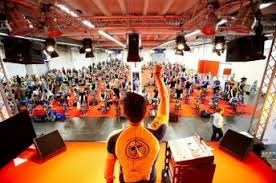
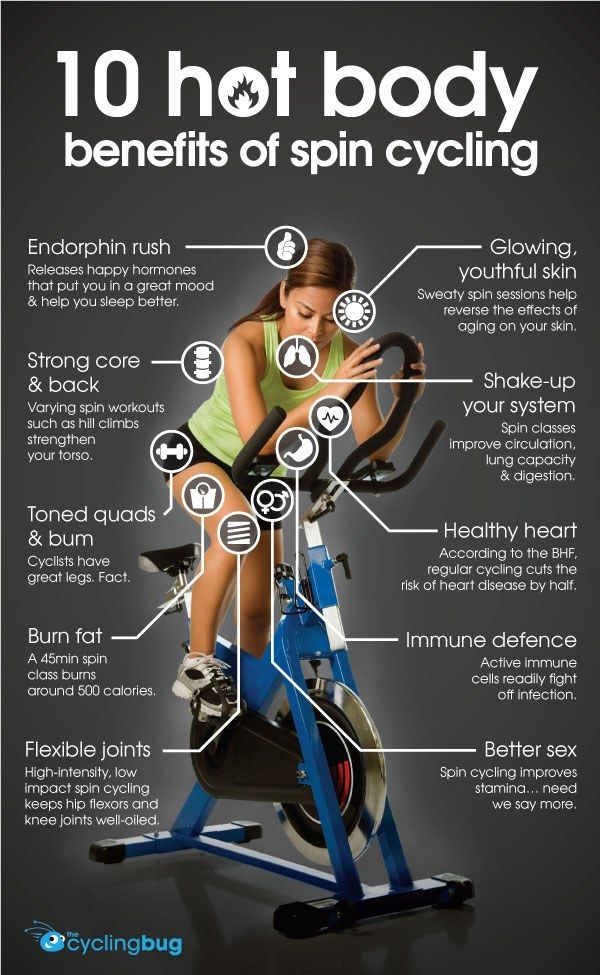
How is Spinning Class is Causing Noise-Induced Hearing Loss and Tinnitus? Waking up in the morning you feel it; you have everything set out ahead of time, your outfit is hanging on the outside of the closet, your balanced breakfast is in the fridge and your gym bag is at the front door. You grab your things jump in your car and feel your foot is a little heavier on the gas as you fell the nerves and excitement before today’s workout. You have planned to arrive 15 minutes ahead of the others to ensure that you get your chance at the new peloton at the front of the class. You go through the class and feel yourself breaking new ground and hitting your imagined wall. After the workout finishes, the sweat has pooled around the floor, you are seeing double, your caloric counter reads that you just burned 700 calories a new personal record, but when you leave and sit on the bench in the locker room with your towel draped around your head, the only thing you notice is the ringing in your ears. Is it the workout doing this? No, you’ve done this workout hundreds of times before at home, and you’ve never experienced this before, could it be the music in the studio? You rush back to the room and try to talk to the instructor, but they still have the music on full blast, you have to shout to be heard and its still not enough. “Is this music too loud?” You scream over top of the rising vocals of pitbull saying he wants you. “What?” They reply, “The music in here is this too loud for us to listen too?” You ask “Oh come on, don’t mess with the mood in here is what makes this class so much fun, it’s a workout par-teeey!!!” they respond.
This response hits your gut, and you leave the room embarrassed and shamed. Outside the room, the glass walls shake with the reverberations of the music. This is the sad scenario at hundreds if not thousands of spinning studios around the country and the world. But why is this behavior acceptable? And is there anything that can be done about it? The answer sadly comes in many different forms. According to the IFA(International Fitness Association), there are standards for gyms that must be met which are set by OSHA, they state according to official documents,” At 85 dB the EPA standard for safe sound is 45 minutes. At 88 dB the EPA standard for safe sound is 23 minutes. EPA regards 91 dB as unsafe for any length of time over 11 minutes.”
This is the law, and according to the same article, the authors state that “gyms and classes including instructors who do not adhere to these guidelines leave themselves open to legal ramifications in the future as well as workmen’s compensation considerations as this subject becomes more widely understood. ” Explained in this article is the key to the solution of NIHL (Noise-Induced Hearing Loss) in the gym and most areas of our lives. The key that this article hits upon is most individuals or corporations do not understand how their hearing is being damaged and are attempting to educate themselves on how noise levels in their workout classes are affecting their instructors and students.
This is understandable but what does matter in conservation programs is the action behind the intent. And in workout facilities, there is evidence that not much has been done to remedy this. In countless articles such as Kirsten Cole’s Pix 11 article,”Loud music in spinning class linked to hearing damage concerns.” Cole states, “In 2015 PIX 11 used undercover cameras and a decibel meter, to see just how loud classes were at some of the most popular spin studios.” Cole further explains that “All four studios played at a near constant 100 decibels or more. Throughout the classes, all studios spiked to levels of 115 decibels, blowing the known safety levels from industry fitness groups and OSHA.” In a separate article by Lindsay Miller titled, “Can Super loud Workout Classes Permanently Damage Your Hearing? An Expert Weighs in.” In the article, Miller asked an instructor at LA-based workout studio The Wall about any concerns she had. The instructor replied, “I’ve listened to loud music all my life. And I have noticed my ears ringing time and again. To myself, I always say ‘I’m losing my hearing!” And I still pump it up more.” In response to the same question, a colleague of the same trainer stated,”Music is a huge part of being an instructor,
I worry much less about if it’s loud and more on if it makes people want to move.” Is it wrong to feel this way? To understand the risks of something and still do it anyway? Is Spinning Class is causing Noise-induced Hearing loss and Tinnitus? An argument can be made for both sides. But the idea of this article is not to judge and shame gyms and trainers on the noise levels in their workout classes and their business practices, this is written to spotlight a major problem within an institution and allow those within the institution make the decision to solve the problem internally before it is done for them by government agencies or any outside influences. By tracking data back to over 20 years ago, there is sufficient evidence to support the claim that sound within exercise classes is increasing at an alarming rate. In an article published in 2013by Elizabeth Francis Beach and Valerie Nie, titled, “Noise Levels in Fitness Classes Are Still Too High: Evidence From 1997-1998 and 2009-2011” The authors who “assessed noise levels during 35 low-intensity and 65 high-intensity fitness classes in 1997-1998 and 2009-2011″ and asked the participates to fill out questionnaires about the music levels in the room and if they found loud music to be,”Stressful, or motivating.” What they found was alarming. Their journal abstract states that, “Noise levels in 1997-1998 and 2009-2011 were similar, frequently exceeding 90 dB(A).” The article continues by stating, “Although noise levels in low-intensity classes dropped from 88.9 to 85.6 dB(A), they remained high for high-intensity classes averaging 93.1 dB(A).In 2009-2011 instructors preferred significantly higher volumes than clients for high-intensity classes.” The authors then explain that”In both time periods about 85 % of instructors found loud music motivating, whereas about one-fifth of clients found it stressful.”
This data is extremely crucial in understanding the reason why music in exercise classes is increasing and more importantly in what kind of classes the music is increasing in. This article defeats the notion that all exercise classes are the same. However, the truth is that a class dedicated to relaxing or rehab yoga will have lower music levels when compared to a spinning class or a CrossFit class. This delineation of high-intensity classes from low- intensity is important because the high-intensity classes are becoming extremely popular in our culture. Stemming from the cross-fit revolution new classes such as versaclimber, intense spinning classes, WOD, Trampolining, and combat based fitness programs all of which music plays a pivotal factor in the intensity of the workout, the volume is only going higher and higher.
The data found by Beach and Nie and the data found from PIX 11 in 2015 shows that the decibel exposure is only increasing. So what can be done? One of the biggest steps to solving complex human habits is to first identify the issue, that is what the articles and journals quoted above serve to do. The next step is to attempt to reset or reprogram participants and instructors habits when it comes to their workouts. And in certain cases, there is headway being made. In Vicky Hallett’s 2015 article titled, ” If you think the music at your gym is too loud, that’s because it probably is” the author describes the atmosphere of a popular workout location and states,”These days, however, you’d be lucky simply finding a fitness facility that has a noise policy of any kind.” The article quotes Teri Bothwell a group fitness director of sport and health as she states,”Booming bass may be bad for your ears, but it’s good for business.” She continues by stating, “At boutiques, it’s a party, and it’s loud, and that’s part of what people pay for.” So the contradiction remains, if its something that the people want, and there is an industry dedicated to providing what they want, is it wrong? Even though what the group wants is permanently damaging them does that make it wrong? These are questions for another time and another person to answer but by just simply knocking on the door of the ethical and moral grounds is enough to open the minds of those who are participating as trainers or clients.
There are methods that can reprogram and reshape the way that workout facilities and the individuals who run them and the participants who attend classes at them. The first is something already put into practice by one trainer as is stated by Vicky Hallets about a group Instructor Asuka Boutcher in Hallets Washington Posts article, “If you think the music at your gym is too loud, that’s because it probably is.” Boutcher is a group training instructor who works with large groups ranging into the hundreds and Hallets explains that “While she’s (Boutcher) willing to put her own hearing at risk, Boutcher recognizes that it’s not a laughing matter. That’s why she’s settled on the same solution Reid did: earplugs. There’s a big bucket of them available free for any student.” For an instructor to think about their students and provide them with hearing protection during a workout is a step in the right direction. The next step is recognition on the part of the students in these classes,
This may be one of the most difficult hurdles to overcome as there is not only a personal hurdle to overcome, there is a social issue where an individual must speak up and run the risk of being on the outside with their opinion within the fitness industry that can be a place of wonderful improvement but can also be fraught with industry backbiting and inter-gym competition and gossip. Lindsay Miller weighed in her article and gave insight into how she raised the issue when she experienced muffled hearing after a workout. Miller states that “Maybe I was being too sensitive. Maybe I just had a knack for booking exceptionally loud classes and instructors. So, a few days after that fateful Spin class, I decided to informally poll my Facebook friends.” She continues by stating,”Had any of them either walked out of a workout class because the music was too loud or been legitimately concerned that the volume in a workout class was negatively impacting their hearing? Fifty-four percent of the people who responded said yes.” Actions such as these are what power change.
The number of people who responded to her poll is not given, however what her data does show is the recognition of a glaring problem within a very hush-hush type of atmosphere that at times promotes pain as weakness and having the ability to push yourself through extreme mental, emotional, and physical pain to reach your goals as a sign of strength and positivity, and while these traits will result in a better physique, they can also lead to permanent damage. And this is the mindset that works for and against the participants and instructors. In our ideal gym environment instructors are making earplugs available for their students, the students are monitoring their own ear health and limits and acting accordingly by either protecting themselves or speaking up about the issue, the next question is how do we make lasting changes to these environments that promote the overall health of all of the participants?
Is it sweeping regulations forced on every gym in the nation? Is it drastic changes to the business practices of each individual gym, health club, rehabilitation facility, physical fitness service, or the hundreds of other names that these clubs fall under? Is it a state by state, county by county, block by block reform of every institution that plays music in their gym environment? That is what Aaron D. Werner and his article in, “The National Law Review” titled, “Compliance with Health and Fitness State Laws:Background, Best Practices and Key Takeaways for Health and Fitness Club Owners” In the article Werner attempts to give gym owners the proper tools to set up a healthy and responsible club that will allow them to practice safe and responsible ownership and contribute to a positive atmosphere. He does state at the top of the article that, “The problem is the difficulty in obtaining complete and accurate information regarding which laws are applicable to their business.” And this is the circle that we repeat as there is as of the time of writing this article in 2018, very little precedence within the united states legal system that holds gym owners, instructors, and students accountable for their actions. This does not mean that noise levels in workout facilities will remain the same, what it does mean is that there is room for growth and because we are becoming more self-aware about our health, we can always learn more and protect ourselves accordingly including legislation and sweeping legalities that maximum decibel exposure at a given time while engaged in an exercise class. But until that day does come it falls on the individual to educate themselves on the risks, and on governmental and industry-leading brands to promote safe and healthy workout environments for the overall long-term health of their members and most importantly it falls on the shoulders of those in positions of influence to set positive examples for younger generations to learn from and as we learn and adjust our habits we then have the possibility of exacting a positive change in our future.
Further Reading
If you found the above reading interesting, check out the following articles to learn more.
How to chose the best hearing protection for shooting
Here is an article on what the buying cycle is for stoping Hearing Loss.
Specialized protection for Spinning loss to stop: Spinning Class is Causing Noise-Induced Hearing Loss and Tinnitus.
https://www.washingtonpost.com/lifestyle/wellness/if-you-think-the-music-at-your-gym-is-too-loud-it-probably-is/2015/02/17/98084620-abc1-11e4-9c91-e9d2f9fde644_story.html?noredirect=on&utm_term=.3ec2d09df000
https://www.elle.com/uk/life-and-culture/culture/longform/a41063/fitness-trends-gym-classes-workout/
https://www.popsugar.com/fitness/Loud-Music-Workout-Classes-44521957
https://www.researchgate.net/publication/260116067_Noise_Levels_in_Fitness_Classes_Are_Still_Too_High_Evidence_From_1997-1998_and_2009-2011
I just read this latest article about Daniel Derricutt, 24 from the UK who claimed his Bose Earphones caused Tinnitus, and this caused his suicide. How to Prevent Tinnitus, and how really bad is this?
How can Tinnitus Cause Suicide?
In the US, it is tough to get real data and stories as so much is covered up and never published, but I would like to thank his family for maybe helping others who will wake up or have an event (Called Tinnitus), that is a life changer for good. Check the full story here.

More Tinnitus Stories:
I was going along, and life was great, and then it happened.
I took medication, and the next day, I awoke with someone blowing a high pitched whistle in my head. Make it go away!!!!! (Sam H)
I went to the orchestra, and it was a fantastic evening but seemed extra loud tonight, I heard a pop and then the screaming ringing started, “Oh my god what has just happened,” I can’t sleep, can’t go to work my life is totally different. (Betty G)
The playoff football game was amazing, “We won state!”
The trumpet player behind me blasted his horn in my ear, and something cracked badly, and now I have a sound of some kind of super loud crickets or locust in my head, It’s not in my ear, it in my head. It’s not fun being a Cheerleader now. The noise won’t stop what am I going to do? I’m a senior and got a scholarship to Cheer in college, and now I can’t stand the noise from the band any longer. (Ginger A)
My Tinnitus Story:
I have heard stories like this over the last 15 years, and I understand as one day in November 1987 as a 275 lb bodybuilder. I had a little bit of a rash from the gym, and a pharmaceutical rep friend of mine said he had the perfect cure. It was a new antibiotic called Floxin, and it surely would take care of this rash and anything else I might have. So I got a prescription for it, and wow did I feel better in about three days. Rash was clearing up, and even helped a bronchitis issue that I was having. About the 4th day in that’s when it happened.
I was in my office listing to the radio, and I heard an audible crack, and all of a sudden, a super high pitch sound started. Are you kidding me? What the hell is this?
I can’t think, my stomach felt ill as I could not shake it and me in superhuman shape, now a disabled person that no one can see. I can’t stand loud noises; conservations are harder to hear as I have to listen over the sound of this screaming in my head. It was not in my ear; it was in the front temple area of my head.
I tried everything I could read about and get my hand’s on. I can tell you that so many nights I would lay in bed and the sound was unbearable.
Researching Tinnitus:
We did not have Google back then, and it was tough to find information about tinnitus, (still not in a better spot today.)
Here is some of the research if you are starting this personal nightmare that you will have to cope with or endure.
It is described by some as screeching, by others the call of cicadas, or the millions of variations that Tinnitus can take form. At the same time, the condition itself is unpleasant and unfortunate for those who must live productive and happy lives while coping with it. Some patients turn to antidepressants and doctor-prescribed medications. See here for the complete list (Mayo Clinic). Others seek to find a holistic approach to curing their tinnitus (Tinnitus Advisor).
Many others choose to live with the pain and find ways to cope and live long and fulfilled lives supplemented by relaxation therapy, meditation, sound therapy.
Oh, the many tinnitus support groups that meet on a regular basis who work to alleviate the social anxiety of the disorder and help sufferers feel that they are not alone. But as a 31-year sufferer of the condition, I can say that living with this unbearable noise in my head is something not to be taken lightly.
I would be doing a disservice to those who are at risk of suffering from this terrible disease if I did not list precautionary measures to take during your everyday lives. I have put together a list of habits and actions that anyone who believes they are at risk for tinnitus can follow to ensure that they do not live a life of pain and just learn how to prevent Tinnitus.
Habit 1: How to Prevent Tinnitus
The most obvious way to prevent tinnitus from occurring is by simply wearing tinnitus earplugs while at concerts, at work(even if you do work in an office building) or anywhere in your life where decibel levels cause you discomfort. Wearing hearing protection does come with a stigma it does, and as the owner of a concert earplugs and hearing conservation company for 15 years, I can say that there is a perception that those who choose to wear earplugs are weaker than others.
This is not true! Taking the measures to protect your hearing, even if it does mean hearing it from your buddies or getting sideways looks from strangers. These measures will set an example in your small community and just like measures of influencers interacting to cause sweeping societal change.
The act of you wearing hearing protection as a single person will have an impact on your community and may cause others to do the same. But You’ll never know if you don’t try.
Habit 2: Use a Sound Meter (Dosimeter)
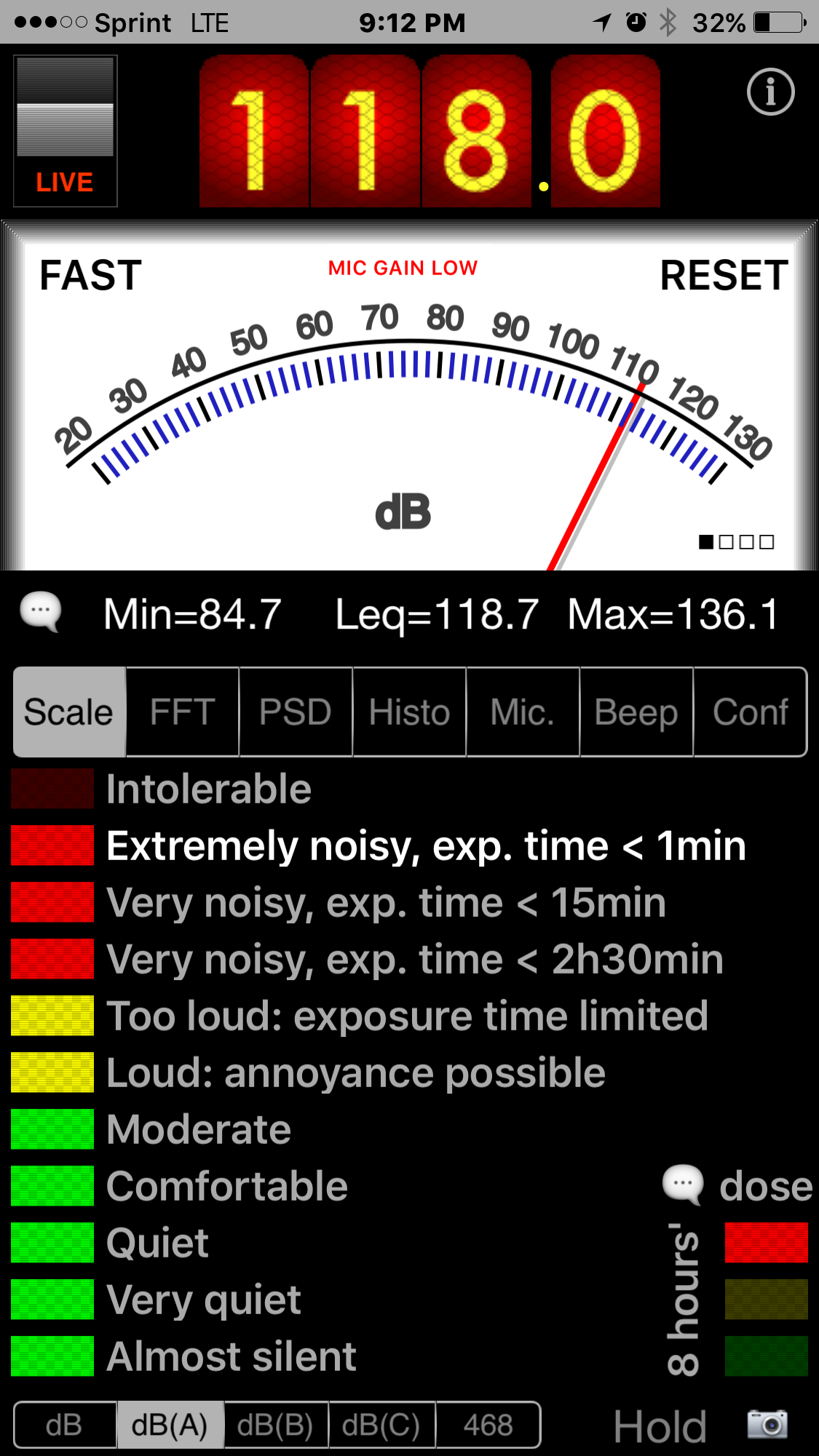
What once was a gigantic probe looking button that could be confused for a phaser weapon from Star Trek has been downsized into an app. We all have access to the knowledge of the noise around us, and it is one download away. Here is a resource for some of the best apps that will turn your iPhone into a proper dosimeter. (Best Dosimeter Apps).
What the sound level meter will do is allow you to get your mind around the levels that you are subjected to on a daily basis. Whether it be your daily commute on the train, bus, cab, or car, the sound level in your workplace, or just the noise level at your local park. Understanding the levels that you’re subjected to every day will free your mind from the unknown. After writing this, it sounds like analyzing sound levels and wearing earplugs means you are only a few more steps from hunkering down in a bunker and eating rationed food on How to Prevent Tinnitus.
However, if you can keep this proportionate and only measure the areas that you feel are at risk for you and your loved ones, you can keep from becoming paranoid and putting tin foil on your head to keep the government from probing your mind.
We uncovered the power of these meters when attending college marching band rehearsals and DCI (Drum core International) workshops to analyze the absurd decibel levels that students aged 16 to 25 are subjected to on a daily basis.
The sound meters on our phones tracked saved and allowed us to review the doses that these students experienced and gave us accurate readings that showcased the need for protection in these loud environments and moved us closer to a deeper understanding of the way in which decibels affect musicians.
Dosimeters are a great tool to have on hand and will only work to improve your knowledge of the world around you and how noise is affecting you on a daily basis. This leads us to the next step in preventing tinnitus.
Habit 3: Educate Yourself About How to Prevent Tinnitus
Just like flipping open your phone to check your daily new source each morning or crinkling the newspaper at the breakfast table.
Read up on the happenings in the world, and there are hundreds of excellent resources to learn from in the realm of hearing conservation that will begin to educate you on the topic of hearing health. Listed here are a few of the best for How to Prevent Tinnitus. (Hearing Health Center) – (Science Daily)
Just like any other area of life, the only way to get better is to educate yourself and apply that knowledge to everyday habits.
What these resources will allow you to do that as they are on the cutting edge of hearing conservation research. They consistently update their sites with an in-depth and scientifically backed study that is continuously furthering human understanding of how our hearing interacts with the world.
Plus, the factors that determine our quality of hearing as we progress through the stages of our lives, including brain health, diet, and mental health. These resources will not only provide you with scientific studies and information and How to Prevent Tinnitus.
It will also equip you with actionable steps to take to prolong your hearing health and improve the quality of your life. As you educate yourself, find the things that work for you and disregard the rest, as we know, most things are subjective.
I do not consider the expert’s opinion to be the only way to solve your personal hearing protection issue. Now, this leads to my fourth and final suggestion
Habit 4: Plan ahead plan for health
In your life, habits are formed and then set in place after taking in all the factors.
As we all know about taking care of our health against the significant preventable diseases, including diabetes and certain cardiovascular diseases as well as liver and lung health, we can as humans take these positive steps forward to prevent our ears from being damaged, which leads to tinnitus and other ear-related diseases.
Taking healthy and positive steps forward to prevent these related diseases puts a barrier between yourself and a life of discomfort. Incorporating these habits relayed above into your daily life will provide you with the freedom to choose your destiny.
If you decide to monitor your surroundings, wear hearing protection and continue to further your understanding of how the human ear and how your overall human chemistry interacts with the environments that you spend the majority of your time in, you will empower yourself to have a happier and healthier life.
How to Prevent Tinnitus and how to find the right earplug
Main Office
SC 29016. USA

Every day 10:00 – 7:00 EST
Product categories
Latest Blog Posts
- How to Do Hearing ProtectionMay 31, 2023 - 5:06 PM
- Marching bands are an exciting musical experienceMay 9, 2023 - 3:45 AM