
Does active noise canceling work to protect your hearing?
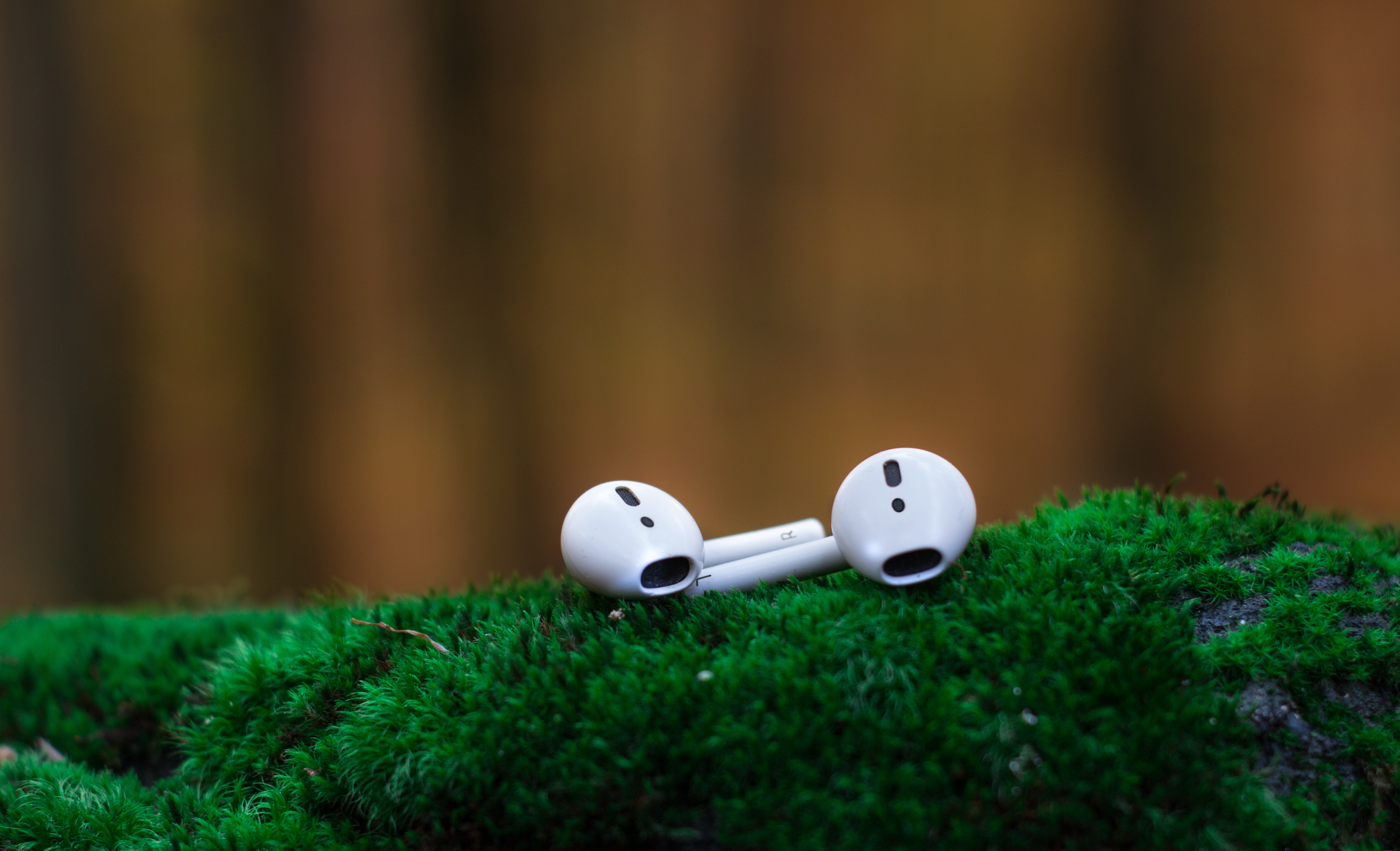
The short answer is ABSOLUTELY NO. It takes a little bit to understand just what active noise canceling is and isn’t and what it can do and what its limitations are.
Let’s, first of all, understand that it would never be designed to use as a hearing protection device, but rather a background noise eliminator. The main glaring flaw is 2 fold and it is not a flaw really it is just what it is.
- Are you using a active noise canceling unit that is using a ear tip to be able to seal off the ear canal and be a better hearing protection device than a open speaker like the old earbuds where you can still hear all the outside noise and have to turn up the sound in the device to overcome the background noise.
- This is something that is very hard to find but is in the very small print. This is not meant to be a hearing protection device. The issue is it cant control any kind of sudden impulse sound or quickly changing loud bursts of sound. It is designed to listen and access the sounds coming in and creating an anti frequency to cancel this sound wave to give you the effect on reduced background noise. This takes time to do and if you try and use this active noise canceling device like a hearing protection device you will constantly get dosed and this will lead to Tinnitus and noise-induced hearing loss.
Here is an excellent article in Wiki on how active noise canceling works.
There are a few different patents and devices out there that taught that it will eliminate all the sounds and most people automatically think that would then include hearing protection.
Many people who read or sell this unit take a pretty hard opinion about their new devices, but they are not doing more than 100 events per year talking belly to belly to customers that are all confused now when they come up to our booths. So many are asking us is this active noise canceling like it is somehow some kind of hearing protection device and it just simply is not.
So the positives
The jawbone device was one of the first to really get this technology out to the consumer and they are now out of business. They were too soon and too expensive and no one knew what it was. It was too heavy and did not fit very many ears without an adapter. Once you added a custom ear adapter it became an amazing unit.
The Bose headset was one of the first to get market penetration on the over the ears noise canceling and if you had noting it was better than that, but you sweat and it was not comfortable to wear. You still could hear all the sudden pulse and impact sounds are so it is not hearing protection.
We are a hearing protection company first so are jaded on products that claim and give the false sense to be some sort of reduction product but when you look at there disclaimers and indemnification clauses they try and not be liable for the miss information or confusion that they cause.
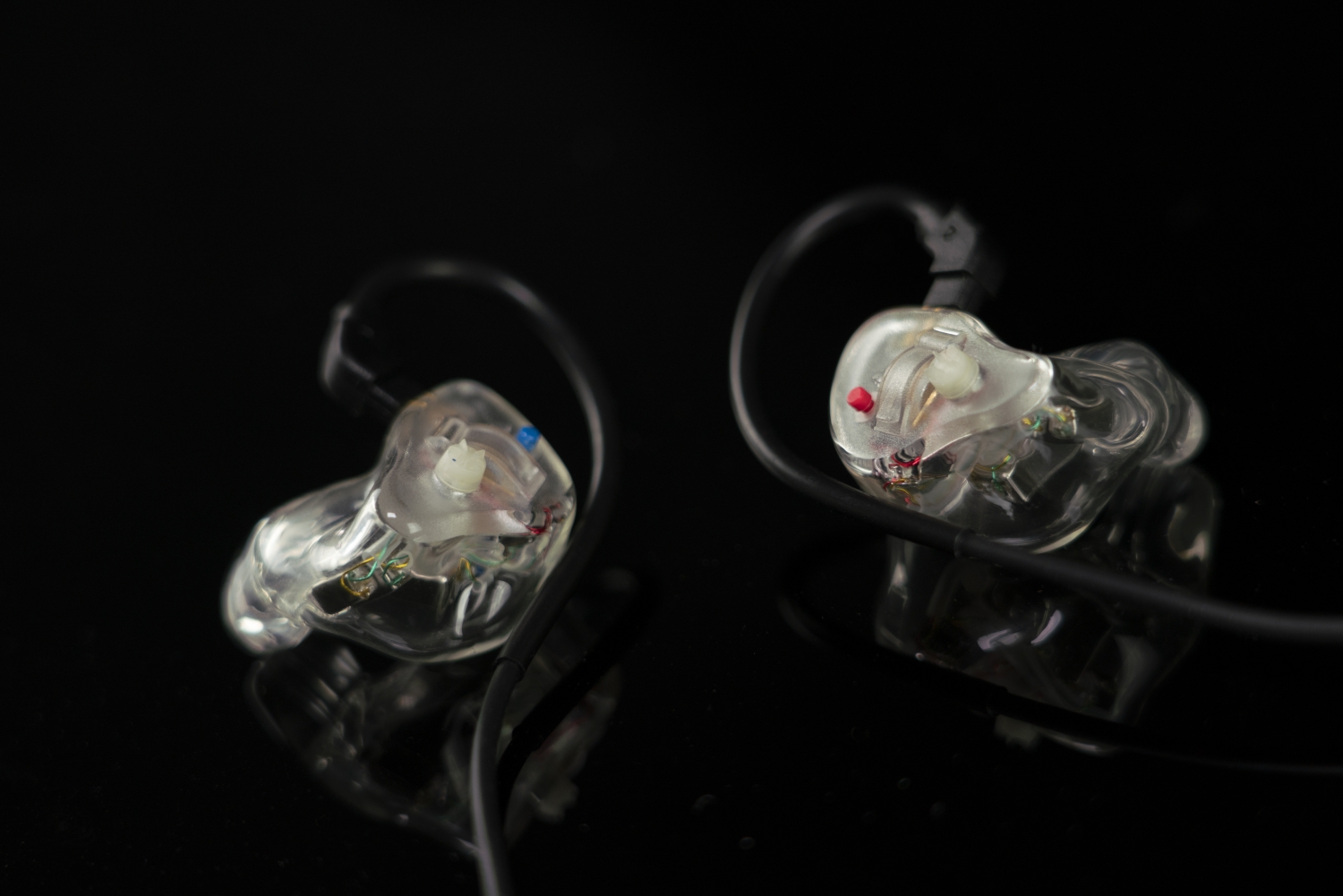
The proper device to create:
It would be expensive and overkill, but the right product that will need to be created would be a sealed active noise canceling with compression. This would allow all the background noise to be recreated and compressed to be recreated so you could control and limit the impulse and random bursts of sound.
There is no reason to get into a debate with the active noise canceling device companies because they always say that it is not a hearing protection device, some where in small print, but like drug companies they only tout the benefits and let you believe that it would be hearing would be protected because we neutralize noise.
So at the end of the day if you are in an area that is over 95dB, wear some sort of hearing protection and don’t rely on an active noise canceling device to protect your hearing from noise-induced hearing loss.
How to find the right hearing protection.
Clarity Aloft Adapters: An Innovation
Despite the production of numerous varieties of communication devices, choices for comfortable earpieces are actually infrequent. More often than not, one-size-fits-all products dominate the market. For instance, if you perform a simple Google search on the best aviation headsets, you will most probably find sponsored websites promoting mainstream generic-fitting products from Amazon. There is not enough room for specialty items such as those that are custom-made. What’s worse is that generic products can even cost from a hundred to a thousand dollars! While this may be acceptable for the occasional flyer or his guest passengers, this should not be the standard especially for professionals who travel frequently for extended periods of time. Factors such as accumulation of sweat, chafing of ears, poor microphone and audio response are important in reconsidering customized earpieces.
Common considerations
There are many reasons why people still choose generic-fitting earpieces in spite of all the benefits of having them customized. One reason is that custom-made products are often more pricey than mass-produced ones. Another is that companies that offer custom goods are quite limited and hard to find. While these are all valid considerations, as a consumer, you must also weigh the pros and cons of having your gear customized. Think about it. The cumulative costs of having a generic headset and replacing it every so often due to low quality can amount to the price of a good custom-made one that can actually last for years.

Changing for the better
At Big Ear, we offer only the best custom-made products for our customers. Our latest innovation for aviation hearing protection is the Clarity Aloft Adapters (see video). Designed to fit effortlessly under a helmet, these can help pilots and operators listen better to audio and communicate comfortably. These can be easily attached to the speakers of your current headset so that earpieces fit inside your ear canals better.
Each set of Clarity Aloft Adapters is handmade. The manufacturing process begins with having an impression of your ears taken by our technician. This is made of silicone which hardens to take the shape of your ear canal. The molds are then sent to our laboratories where the custom adapters are created in four week’s time. Finally, the finished adapters are delivered in front of your doorstep, ready to be used for your aviation activities.
It is quite frustrating to see people spend hundreds or even thousands of dollars on a headset that has probably two-cent generic foam tips. Definitely, it defeats the purpose of having something that is supposed to be of high quality. Imagine a company spending millions to assemble top of the line planes then deciding to cut the budget for seating materials. In the case of aviation, you should not settle for less because communication is crucial for the safety and success of operations. Whether you are in the aircraft or control tower, communication is a top priority.
Points to Ponder
Perhaps owning a customized set of adapters for a headset may not be for everyone. At Big Ear, we completely understand that. However, what we offer is the option to experience something better and more comfortable. Think about the advantages and disadvantages. Find out what kind of lifestyle you really want. You can also research more and visit stores to scout for other products. But do remember to consider Clarity Aloft Adapters. If you decide to own one, we guarantee that you will never regret it.
For more information, visit our adapters page.
Why are “The One” Earplugs the Best Dental Earplugs?
Dental earplugs present a problem. How can a dentist hear everything they need to hear, all while protecting from tinnitus and hearing loss caused by loud noises?

The One is the only hearing protection on the market that allows dentists to hear everything around them and clearly hear others while protecting their hearing. This “spatial awareness” is not available with any other dental hearing protection. The One® for Dentists is the new industry standard. It is simply the Best Dental Earplug.
After working with dentists from across the nation, we realized that they were unaware of the loud noise exposure that they are subject to every day. Whether the sound is from handpieces, pumps, or scalers, dentists hear dangerously loud noises daily. The proper steps toward protection are not always taken despite the severe effect that these sounds have on dentists’ hearing.
Other generic, one-size-fits-all products claim that they protect the hearing of dentistry professionals. This claim is only accurate if those earplugs were worn in the office without discomfort. However, they clearly cannot and do not because they give the dentist a blocked or “clogged” feeling in their ears outside of treating patients. Generic products do not all the dentist to hear both their equipment and other people in the office. This is because they plug the ear canal. They also also only mask, match, or recreate the sound around the ear without having the desired effect.
We’ve experienced this before with professional musicians. They think they are protecting themselves from damage while rehearsing and playing. The musicians, often with very high-quality earplugs, and especially those with generic earplugs, developed tinnitus. Their hearing weakened. Their playing ability worsened. The musicians’ conductors had to either retire the players or move them down in rank as a result of the hearing damage.
The same can be said for dentists: they must hear every tool and sound from their patient. They also must communicate with coworkers and technicians. Most importantly, they must not lose their hearing. They and their clinic will suffer reputational damage if this happens. In most cases, dentists stop wearing hearing protection altogether due to discomfort. This causes permanent hearing loss and tinnitus.
Custom Filtered Hearing Protection Explained
This is where The One comes into play. It has a dual-filtered hearing protection system that both protects your hearing and allows you to hear everything around you. Our product is superior to all others. The primary filter provides a flat noise reduction through all frequencies. It works as a screen door that allows sounds of a certain decibel to clear a reduction filter. This includes 9, 15, 20 and 25-decibel options.
The secondary, non-linear filter allows sounds under 85 decibels to pass through. This enables dentists to hear clearly and not experience the “clogged” feeling that other earplugs frequently cause. The secondary filter also acts as a vent. It equalizes pressure between the inside and outside of the ear.
The result is that the dentist hears clearly at work while operating and interacting with patients. They feel like they have nothing in the way of their hearing. Most importantly, they protect their ears at the same time.
We make the Best Dental Earplugs with a set of impressions of one’s ear. We found that the process of making earplugs is easy for dentists because they have experience making impressions of teeth. It is a fun little diversion to make impressions at the office or at home.
If and when you order the plugs, you receive our Big Ear home impression kit. You can make impressions for everyone in the office after following the instructions of a very short video. Once we have the impressions back, it usually takes 21 business days from the date of arrival of the impressions to complete the production. Rush service is also available at an additional charge. The earplugs come in several colors as well as in an less obvious option. Most patients do not notice the earplugs.
We created the Best Dental Earplugs to stop the insanity of dental hearing loss. They also make the lifestyles of dentists more comfortable. Finally, the earplugs make dentistry less damaging to lifetime health.
Our guiding purpose is to protect your hearing and the hearing of those in your practice. This lets you provide your patients with the best version of yourself and also ensures that they get the care they need.
Glenn Hood
Founder
Big Ear
The One Hearing Protection: Guaranteed Tinnitus and Hearing Loss Prevention
Often, dentists receive physical consequences from their own practices. In addition to minor hand injuries and torn muscles from operating on teeth, dentists experience continuous exposure to unhealthily loud noises. The sources of the noise they experience originate from the tools they work with and the environment they work in on a daily basis. Tools like hand-pieces dentists use to generate a lot of noise. With continued exposure, dentists risk hearing loss. The number of dental professionals who have noise-induced hearing loss and tinnitus grows every year.
Tinnitus In Dentists, a risk associated with loud noise exposure
According to a study by the Centers for Disease Control and Prevention, more than 5 out of 10 retired dentists experience tinnitus. In the same study, the CDC discovered that only a third of the people suffering from tinnitus seek medical assistance, which can prove quite expensive. With this already expensive medication, only two out of five tinnitus patients successfully recover using this medication while the rest remain in an irreversible state.
Patients with tinnitus hear a constant ringing that is not experienced by others. Currently, there is no cure for tinnitus. Tinnitus prevention using our earplugs is much cheaper and much more successful.
How Tinnitus In Dentists develops
Several factors cause tinnitus in dentists. However, the major cause is prolonged exposure to the ear to sound that exceeds 85 dB. This exposure leads to inner ear hair cell damage. Exposing an ear to high-intensity sound causes the delicate inner ear hairs to move in the direction of the sound waves. This triggers the ear cells to produce an electrical signal through the auditory nerve to the brain. The signals sent to the brain translate the waves into sound. In cases where the inner hairs in the inner ear break or bend, the result is a random electrical signal sent to the brain that results in the vast array of sounds that individuals with tinnitus hear.
Tinnitus In Dentists symptoms
The main symptom of tinnitus is the hearing of imaginary sounds not actually present in the environment. Some of the phantom noises associated with tinnitus include the following:
-
- A ringing sound, which may become louder or lighter with time.
- A frequent buzzing sound
- A roaring sound.
- A hissing sound
These sounds may occur in one or both ears. In some cases, the noise may become so loud that it interferes with a person’s concentration. The sound may be irritating, hindering afflicted people from hearing actual sounds in their environment.
Causes of Tinnitus In Dentists
- Exposure to loud noise
Noisy equipment such as dentists’ hand-pieces can cause tinnitus. Such equipment produces excess levels of noise to the ear. Continuous use of the same equipment by the same dentist without adequate hearing protection puts them in greater danger of developing tinnitus.
Other causes
- Age-related causes
As a person ages, they become vulnerable to presbycusis. Such a condition occurs when a person nears the age of 60. The more a person exposes themselves to damaging sounds, the more that person experiences ear damage and a higher potential of developing tinnitus.
- Earwax blockage
Earwax protects the ear canal by trapping dirt and other foreign substances, preventing them from entering the inner ear. Ear Wax also prevents bacterial development in the ear. However, when earwax over-accumulates in the ear canal, it may cause ear loss or irritation in the ear canal, which can cause tinnitus.
Tinnitus causes for dentists
Several scientists have hypothesized different possible causes of tinnitus. Some relate tinnitus to head injuries, acoustic neuroma, blood vessel disorders, and medications like antibiotics and aspirin. In all their arguments, scientists appreciate that the major legitimate cause of tinnitus in dentists is exposure to noise.
The nature of the working environments of dentists ensures that they cannot avoid exposure to noise without leaving their office. They continuously expose their ears to excessive noise from the equipment they use and in their normal exposure to sounds in their environment. The materials in their laboratories produce a high volume of noise. When exposed to this noise for long periods of time, tinnitus may be triggered, hindering dentists’ performance.
Complications that come with tinnitus
Tinnitus affects every person differently. According to research by the Department of Health and Human Services, a person suffering from tinnitus may experience the following complications:
a. Fatigue
People with tinnitus experience frequent fatigue and may feel unmotivated to complete even the slightest of household chores.
b. Stress can develop from the worry caused by tinnitus. Continued stress will develop into depression.
c. Sleeping problems
d. Difficulty concentrating
e. Irritability
f. Depression
General tinnitus preventive measures
- Long-term exposure to loud music through headphones can increase an individual’s chances of developing tinnitus. For music listeners, reducing music volume may help reduce the chances of tinnitus. However, this preventive measure fails to apply to dentists. They cannot turn down the volume of noise produced by their machines. But they can reduce exposure to noises outside their offices through strict dedication to protecting their hearing. This includes limiting their exposure to sounds that are within their control.
- Tinnitus can be prevented by routinely taking care of cardiovascular health. Prevention of blood disorder-linked tinnitus achievable through a healthy diet and regular exercise.
- Dental professionals who have hobbies that are loud, like motorcycle-riding, listening to loud music, or spending hours outdoors may find themselves at higher risk. Limiting exposure to sounds over 85 decibels while partaking in these hobbies will reduce the risk of dentists being dosed by dangerous decibels outside of the office.
Protecting yourself as a dental professional may seem like a lot of work. It is, however, protection can ensure that you continue working into your golden years. It is imperative that you develop an individualized hearing conservation solution that works for you, whether that includes wearing hearing protection in and outside the office, or if you prefer to wear hearing protection in the office and monitor exposure to sound during recreational activities.
There is a solution to this: The One dental earplug.
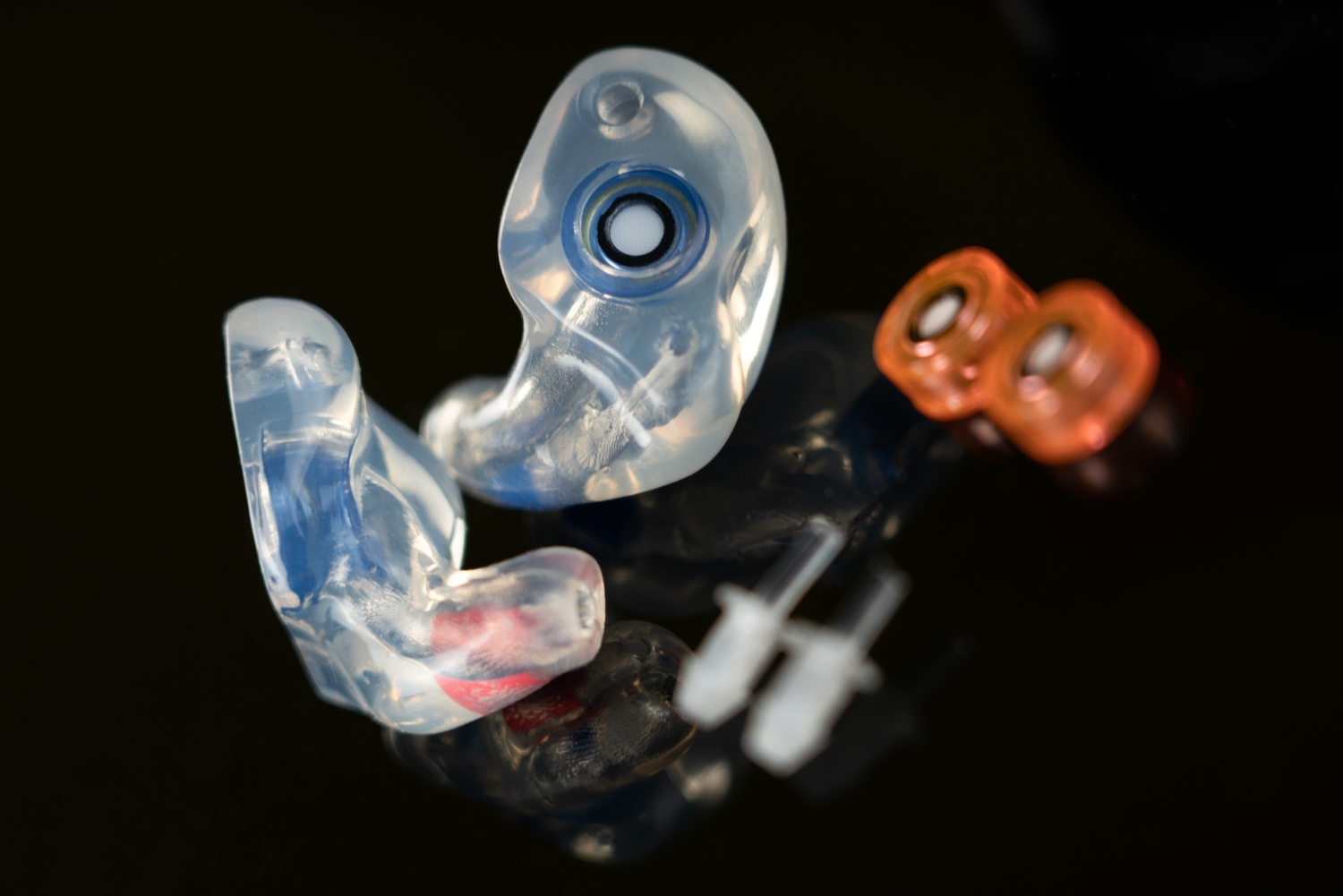
The One is a customized earplug designed specifically for dentists. These earplugs prevent exposure of the ear to excessive noise from both the machines and the natural environment of dentistry operations. The One functions with two filters. There is the primary filter on the outside and the secondary filter in the inside. The primary filter filters general noise from the environment and machines. The secondary filter filters the unwanted noise.
How the One works and is detailed explained.
Importance of Using The One Dental Earplug
The major difference between The One dental earplug and any other form of filtered or vented earplug is that our earplug allows for a specific limit of noise exposure. The two filters work simultaneously, thereby controlling the type of noise that ends up in the inner ear.
The secondary filter ensures only the natural voices access the inner ear. Additionally, it only allows up to 85 dB of sound. This implies that only the allowed noise pressure can penetrate the earplug. As for The One dental earplug, the allowed noise includes natural sounds such as of the patient and the surgery crew. This earplug pinches off sound pressure that can damage the sensitive inner ear sensory hairs.
Also, the dental earplug regulates the intensity of the noise that reaches the inner ear. This standardized feature does not discriminate between noise sources. Therefore, even if the noise comes from the natural source, the secondary filter will filter it out. For instance, the earplug cancels noise from the turbines of high pitched hand drills that would otherwise dose the dental professional with noise pressures exceeding 85 decibels. On the other hand, the earplug allows any other natural sound with pressure below 85 decibels into the eardrum.
As a last reminder, both to dentists and all people, we leave you with this: tinnitus is permanent until death. Once you develop tinnitus, you cannot repair it. So act accordingly. And choose the best hearing protection.
Main Office
407 Golden Eagle Dr. Blythewood,
SC 29016. USA
SC 29016. USA
(719) 271-908one

Office Hours
Every day 10:00 – 7:00 EST